History is often taught as a struggle between heroes and villains. The problem is that real history is rarely that simple and very few people are prepared to explore the complexity of history.
In Crete, the Venetians generally enjoy a rather romantic reputation. Their elegant buildings still dominate old towns like Rethymno, their fortresses and palaces are shown in millions of photographs and are highlighted in tourist brochures. Their period of rule is often associated with culture, trade and prosperity. There is a flipside to this coin, but it’s an uncomfortable one and thus rarely gets mentioned.
The Ottomans, by contrast, tend to occupy a darker corner of popular memory. The massacres of 1821, the destruction of Arkadi in 1866, and the long struggle for union with Greece have left deep scars on the island’s collective consciousness. Those events were real, tragic, and deserve to be remembered.
But does remembering those events tell us the whole story?
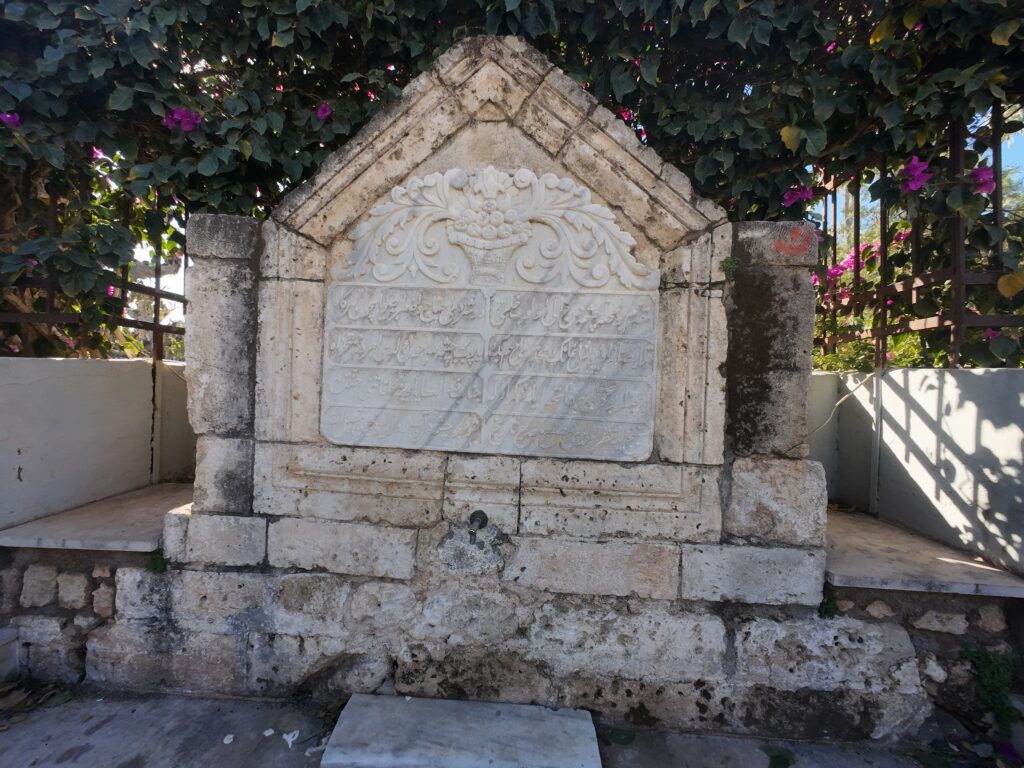
While researching the Kalapsarzade family of Rethymno, I found myself asking an uncomfortable question. If the Ottoman system was nothing more than oppression and exploitation, how did a family such as the Kalapsarzade family rise to prominence?
The evidence is still incomplete, but what we know so far is intriguing.
The family was deeply integrated into the civic life of Ottoman Rethymno. Ethem Bey, son of Yunus Ağa, financed the construction of the Muslim Girls’ School in 1892. Official Ottoman documents of the period identify him as the accountant/treasurer of the Rethymno Evkaf*, dated 28 Oct 1893. He was the director of the Muslim Orphans’ Bank of Rethymno in 1899–1900.
He was the president of the Muslim Council of Elders and Evkaf. This was somebody of knowledge and integrity, trusted by both the government and the local people as my existing documents clearly show.
His brother, Kasım Bey, although less documented, appears in inscriptions elsewhere in the city. The family funded public works, participated in local administration, and became part of the city’s governing elite.
What makes this particularly interesting is that the family may not have been Ottoman in origin at all.
The name Kalapsarzade suggests a connection to the manufacture of shoe lasts, and may ultimately derive from the Greek word καλαπόδι. If this interpretation is correct, the family could have originated as local Cretan Greeks who converted to Islam during the early Ottoman period. Such a theory remains unproven, but it is certainly plausible.
If true, their story would illustrate something important about Ottoman society in Crete.
The Ottoman Empire was not a modern democracy. It was hierarchical, unequal and often brutal. Yet it also possessed a degree of social mobility that is often overlooked. Families of local origin could rise through education, commerce, administration and public service. Conversion to Islam opened doors to careers and offices that were simply unavailable to Christians.
That does not make the Ottoman system enlightened by modern standards.
But neither does it fit comfortably into the simplistic image of an occupying power ruling over a population with no possibility of advancement.
Could the same rise have happened under Venetian rule?
Perhaps. History rarely deals in absolutes. Yet Venetian Crete was fundamentally a feudal colonial society where political power remained concentrated in a relatively narrow elite. Some local Greeks certainly became wealthy and influential, but the barriers between ruler and ruled were more rigid.
The documented rise of the Kalapsarzade family raises the possibility that Ottoman Crete offered opportunities that Venetian Crete did not.
That conclusion may make some readers uncomfortable. Simplicity offers clear lines and comfort while an invitation to thought upsets that comfortable feeling. Thought certainly challenges the neat division between “good Venetians” and “bad Ottomans” that is only too often implied in popular history.
What fascinates me most, however, is not the Kalapsarzade family itself but their visible legacy connected to their story.
We know of four fountains they sponsored in various parts of a city that suffered greatly from the inaccessibility to water. Other than these structures, there is also a building which tells a remarkable story.
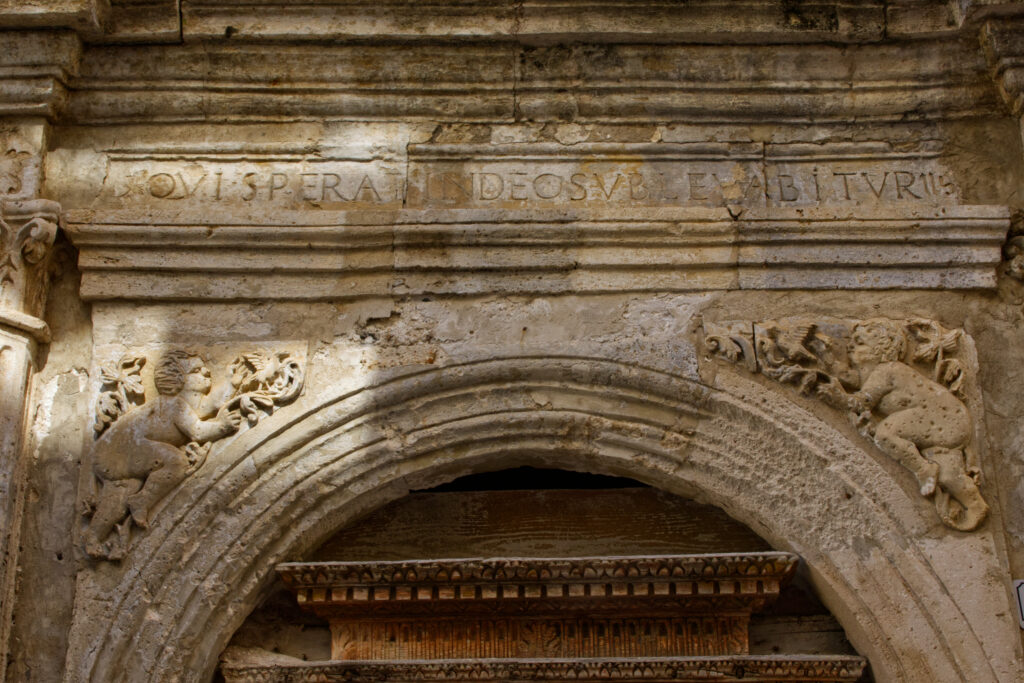
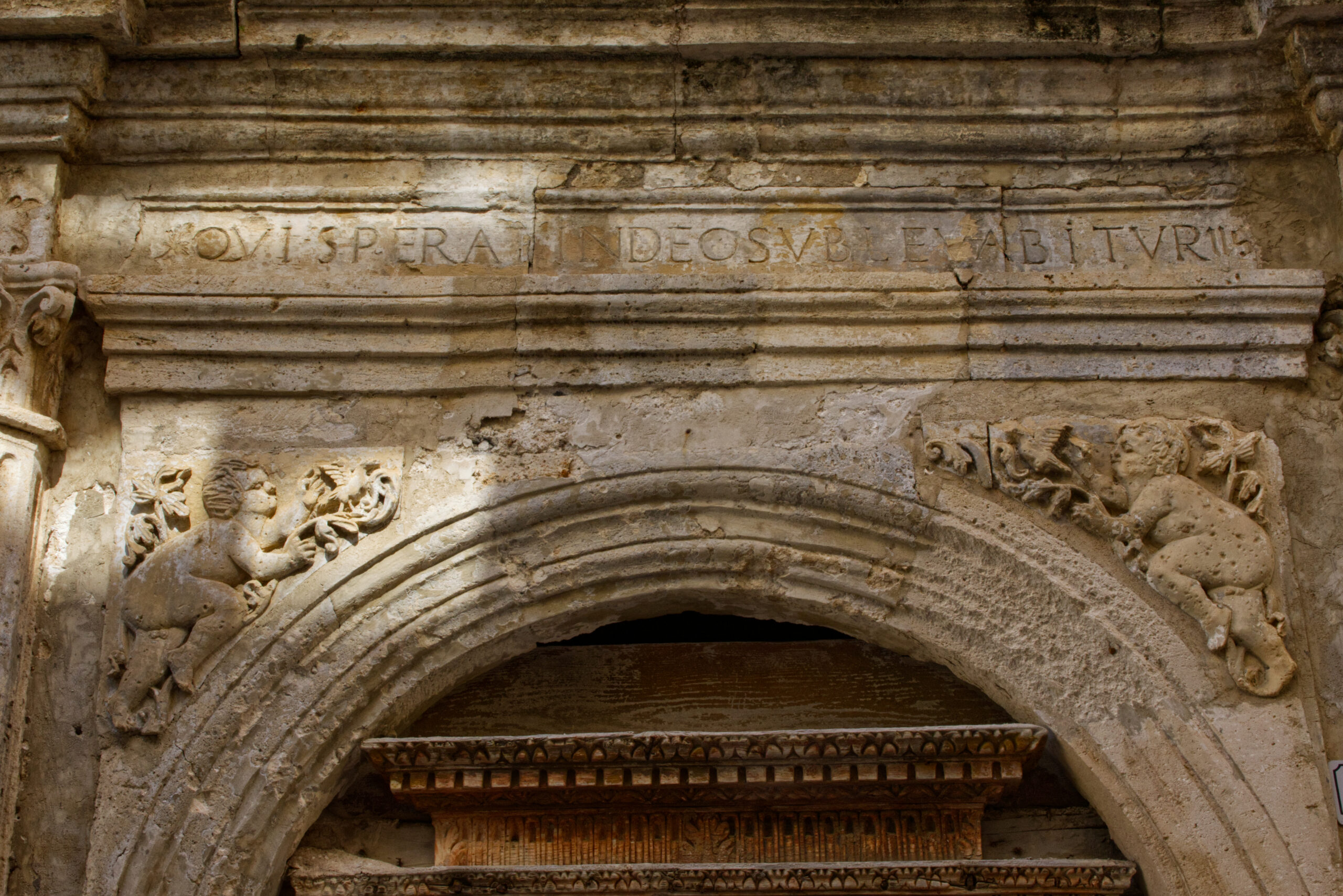
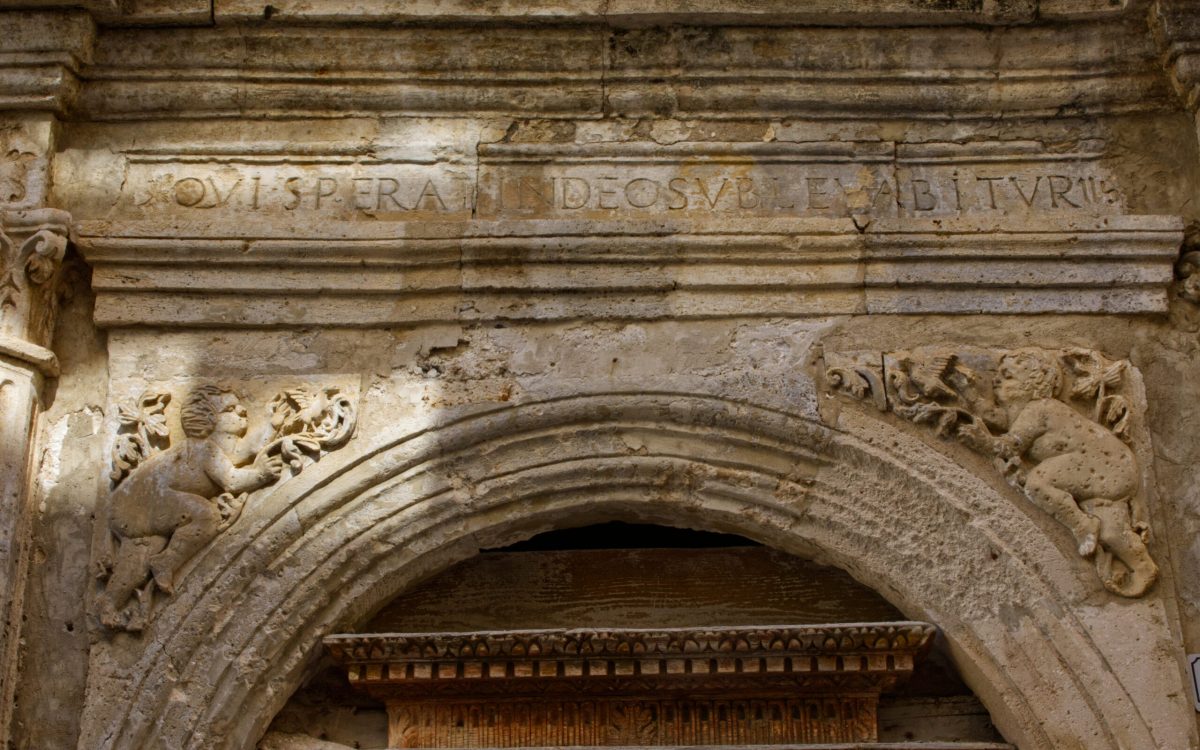
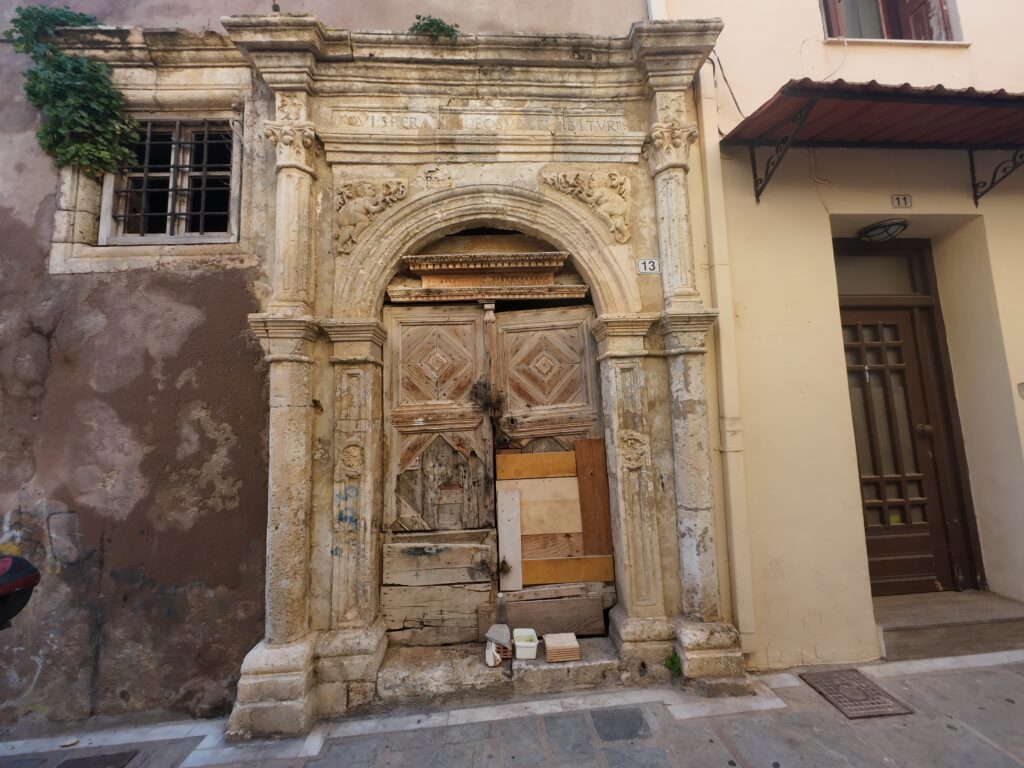
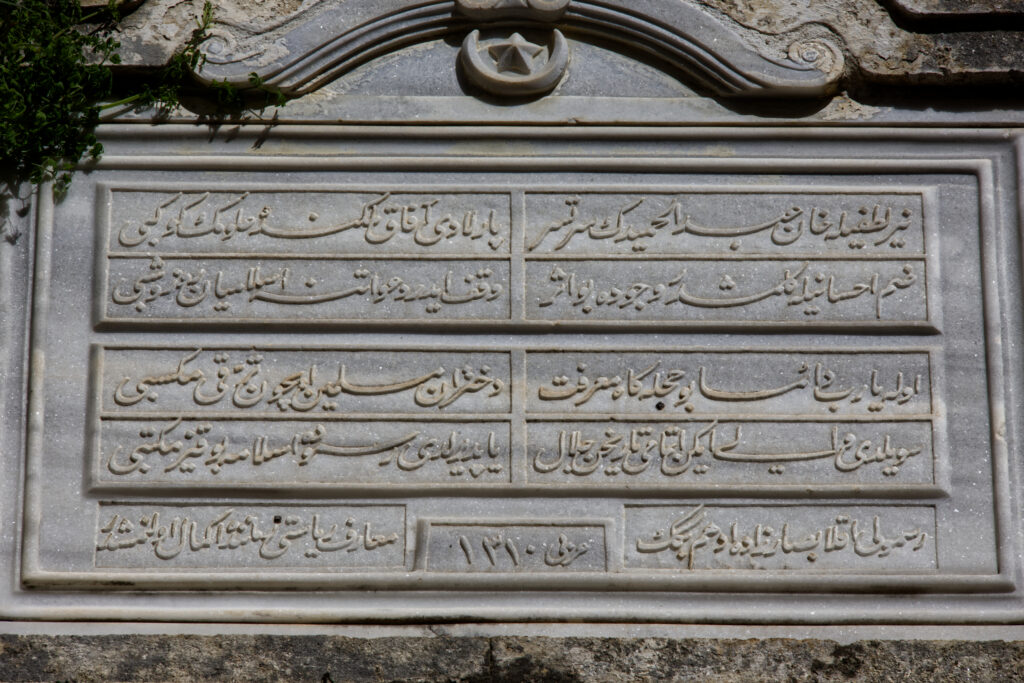
On Mikrasiaton Square we find one of the Greek primary schools in the city. What few people know, and what is almost never said is that this school is the former School for Muslim Girls of Rethymno. Above its old entrance in Papamichelaki street there survives the original cartouche relating to its foundation and those who sponsored it. It names Ethem Bey as its patron, Ethem Bey, son of Kalapsarzade Yunus Aga
What is even less known is that this could very well be the site of the original school built in 1659 by the Valide Sultan**, the construction of which is also mentioned in official Ottoman documents.
On one of its walls on the playground we can read a quotation from Malala Yousafzai celebrating the importance of education.
I find the juxtaposition remarkable.
In Rethymno, a city whose history was shaped by both Venetians and Ottomans stands a school probably built by the ruler of the Ottoman empire in 1659, which metamorphosed into a school specifically aimed at educating girls in 1892. Educating girls was a revolutionary concept in those days, and it was funded by a Muslim notable. And then there is the writing on the wall, quite literally. A modern educational message, in the words of a Muslim girl, promoting learning and opportunity.
And yet discussions about the Ottoman period and Muslim rule often seem trapped within inherited narratives that leave little room for such complexity.
Perhaps that is not unique to Crete. Every society creates historical narratives, they help define identity and explain the present. The danger comes when those narratives stop us from asking questions.
As a child in Ireland, I was taught a particular view of British rule and of Northern Ireland. Much later I discovered that history was considerably more complicated than the version presented in the classroom which was not necessarily wrong, but certainly incomplete.
The story of the Kalapsarzade family does not prove that Ottoman rule was benevolent. The massacres, injustices and conflicts remain part of their historical record and should be remembered for what they are, brutal acts of violence by a government against its subjects. But that memory should not define the memory of the overall system. Those memories remember part of the system, they are not its definition.
The idea that Ottoman Crete was simply an age of darkness between the Venetians and modern Greece is simplistic, wrong and serves no other purpose than a narrowminded demonisation of a very complex, multifacetted period in Cretan and indeed world history.
The real lesson here is that history is not a choice between heroes and villains, it’s a story of people.
And sometimes the most interesting people are those who do not fit comfortably into the stories we have been taught to believe.
*Evkaf: a vakif (plural = Evkaf) was the Ottoman equivalent of a charitable foundation or trust — private wealth permanently dedicated to funding public goods like mosques, schools, and fountains.
** Valide Sultan: when a, Ottoman sultan died and the new sultan was a minor, the mother of the minor became the de facto ruler of the Ottoman empire until the sultan came of age.