The structures known in Crete as “Koules” are among the most distinctive yet often misunderstood elements of the island’s historical landscape. Scattered across plains, hills, and coastal zones, these small fortifications form a network that speaks to centuries of insecurity, foreign rule, and local resistance. Though the word “Koules” is commonly used today to describe them, their history spans different periods, builders, and purposes, and their meaning evolved alongside Crete’s turbulent past.
The term “Koules” derives from the Turkish word “kule”, meaning tower. This already hints at the period most strongly associated with them: the Ottoman era. However, the idea of small, strategically placed fortified towers did not originate with the Ottomans. Crete’s long history of invasion and rebellion had already produced watchtowers, signal posts, and rural fortifications under Byzantine and Venetian rule. The Koules, as they are commonly understood today, represent the culmination and systematization of this tradition, particularly during the 18th and 19th centuries.
Crete fell to the Ottoman Empire in 1669, after a prolonged and devastating war with Venice. Although the Ottomans secured nominal control of the island, their rule was never stable. The Christian population, concentrated largely in rural and mountainous areas, resisted Ottoman authority through frequent uprisings. Geography worked against centralized control: rugged mountains, deep gorges, and scattered settlements made it easy for rebels to hide and difficult for authorities to project power. It was in response to this persistent instability that the Koules network was developed.
The majority of Koules were built during the late 18th and early 19th centuries, particularly in the decades following major revolts such as those of 1770, 1821, and 1866. These uprisings revealed the Ottomans’ inability to maintain effective surveillance and rapid military response in the countryside. The Koules were conceived as a solution: small, durable forts placed at key locations to assert control, monitor movement, and provide safe havens for Ottoman troops.
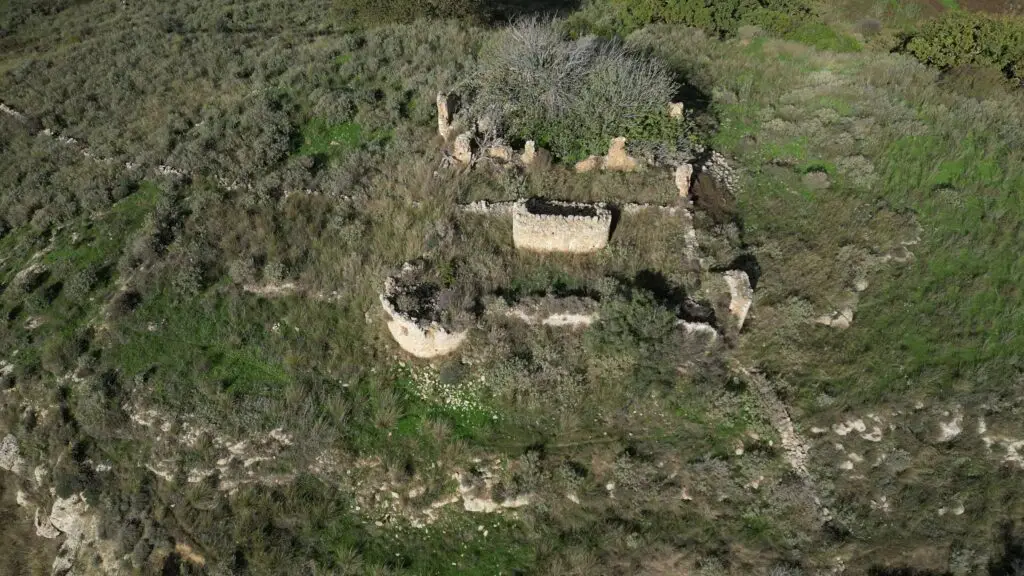
Ottoman authorities, often with the involvement of local Muslim communities, were responsible for constructing the Koules. They were usually built using local stone, often dry-laid or minimally mortared, and designed for practicality rather than grandeur. Unlike large fortresses such as the Venetian walls of Heraklion or Chania, Koules were modest in scale. Most were square or rectangular towers, sometimes two stories high, with thick walls, narrow openings, and flat roofs. Their austere appearance reflected their function: surveillance, defence, and intimidation rather than prolonged siege warfare.
The placement of Koules was deliberate. They were positioned to dominate plains, roads, river crossings, and agricultural areas, especially regions known for rebellious activity. Coastal Koules guarded landing points and bays, while inland ones overlooked fertile areas where taxation and grain collection were critical to Ottoman administration. Many Koules were built within sight of one another, forming a visual chain across the landscape. This allowed for rapid communication and coordination, an essential feature in a land where rebellion could erupt suddenly.
Communication between Koules relied primarily on visual signals. During daylight, smoke signals were used to indicate danger or summon assistance. At night, fire signals served the same purpose. Because many towers were positioned on elevated ground or ridgelines, lines of sight could extend over considerable distances. A signal from one Koules could be relayed across several others, reaching larger garrisons or administrative centres within hours. This system did not transmit detailed information, but it was effective for raising alarms and mobilizing troops quickly.
In addition to visual signalling, mounted messengers were employed to carry specific orders or reports. Roads connecting Koules were often rudimentary, but familiarity with local terrain allowed couriers to move swiftly. The combination of visual signals and human messengers created a flexible communication network that was well suited to Crete’s geography.
The manning of Koules reflected their role as outposts rather than full-scale forts. Most were staffed by small detachments of Ottoman soldiers, often numbering between five and twenty men. These troops were typically local Muslims or soldiers stationed from nearby towns. Their duties included monitoring the surrounding area, protecting tax collectors, escorting officials, and responding to signs of unrest. In times of heightened tension, garrisons could be reinforced temporarily with additional troops.
Life in a Koules was harsh and monotonous. The towers were isolated, exposed to weather, and often poorly supplied. Soldiers relied on nearby villages or supply convoys for food and water. Wells or cisterns were sometimes built nearby, but water scarcity was a constant concern. The small size of the garrisons meant that soldiers were vulnerable if attacked in force, reinforcing the importance of communication and mutual support between towers.
The Koules also played a psychological role. Their presence was a constant reminder of Ottoman authority in areas that might otherwise feel beyond the reach of the state. From the perspective of the Christian population, Koules symbolized surveillance, taxation, and repression. Many were associated with forced labour, requisitioning of supplies, and punitive expeditions. This contributed to their enduring negative image in Cretan collective memory.
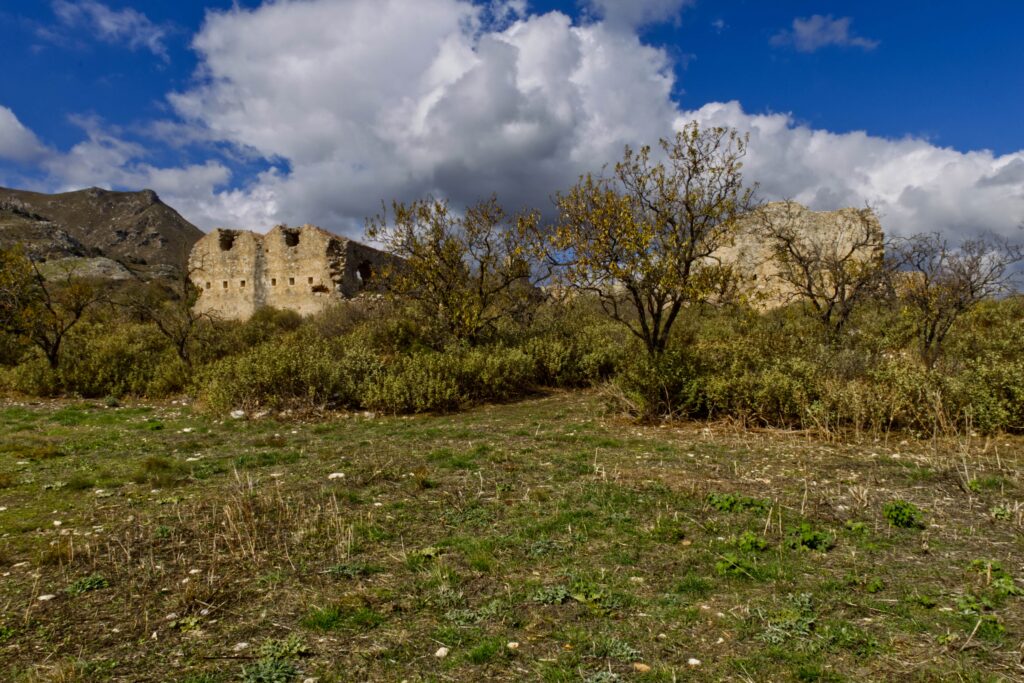
During major uprisings, Koules became targets. Rebels frequently attacked isolated towers, aiming to cut communication lines and seize weapons. Some Koules were destroyed or abandoned during these conflicts, while others were repaired and reoccupied once order was restored. Their fate often depended on their location: towers in contested or remote areas were more likely to fall into ruin, while those near important routes or towns remained in use longer.
By the late 19th century, the strategic value of Koules began to decline. Advances in military technology, changes in administrative practices, and increasing international pressure on the Ottoman Empire reduced their effectiveness. The establishment of the autonomous Cretan State in 1898 marked a turning point. Ottoman troops withdrew, and the Koules lost their original function almost overnight. Some were briefly used by local militias or administrative authorities, but most were abandoned.
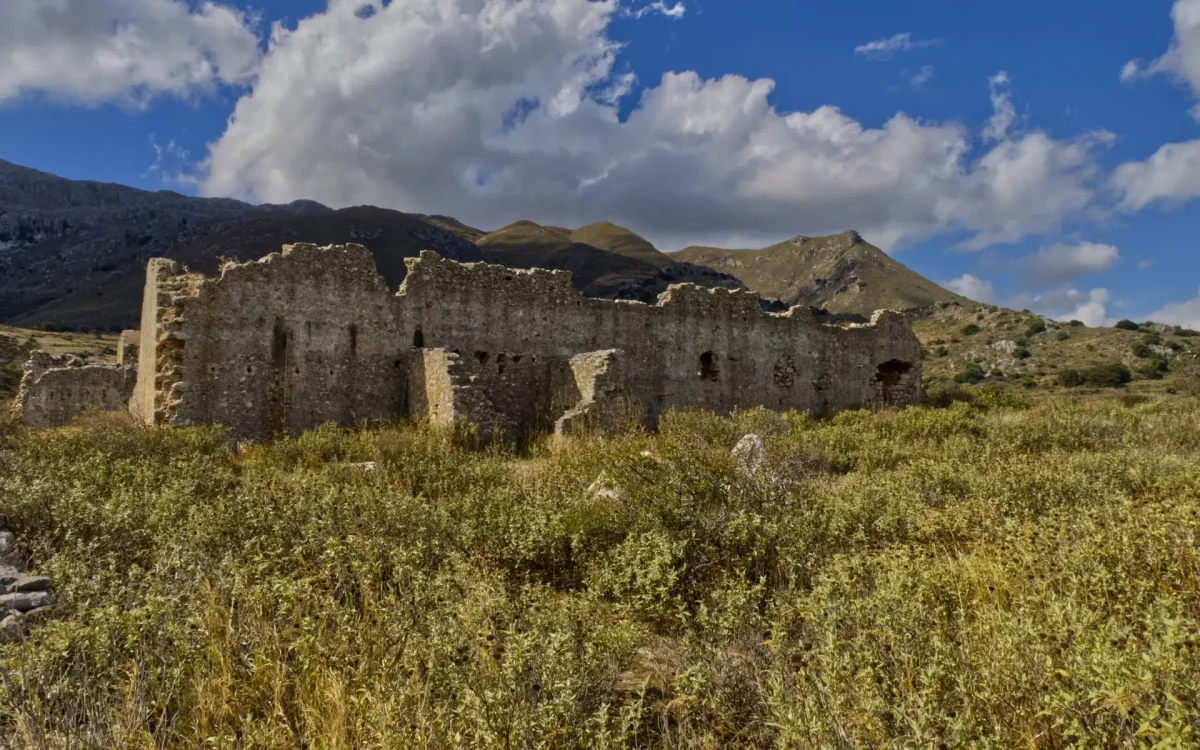
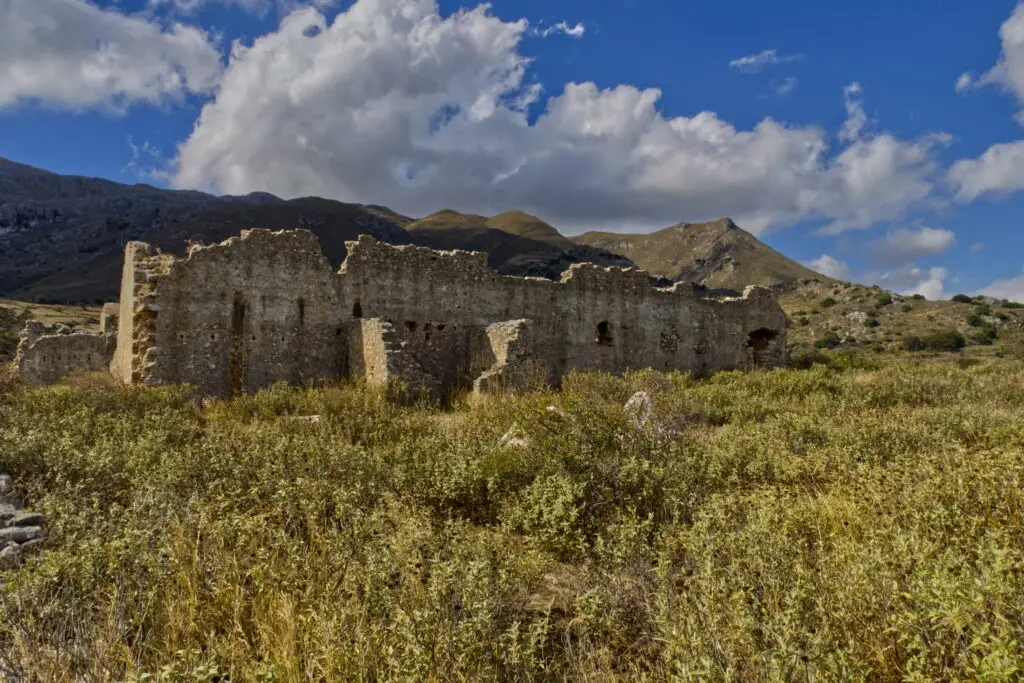
Following the union of Crete with Greece in 1913, the Koules faded further into obscurity. Without garrisons or maintenance, many deteriorated rapidly. Stones were reused for houses, walls, and farm buildings. Others survived as skeletal ruins, their outlines still visible against hills and fields. A few were repurposed as storage sheds, animal shelters, or lookout points by shepherds.
Despite their decline, Koules occupy an important place in the historical understanding of Crete. They represent a phase of rule defined by tension, resistance, and adaptation to difficult terrain. Unlike monumental fortifications that symbolize imperial confidence, Koules reveal imperial anxiety. Their small size, dense distribution, and reliance on communication networks speak to a constant fear of uprising and a need for vigilance.
In recent decades, historians and archaeologists have taken renewed interest in Koules as part of Crete’s rural and military heritage. Surveys have mapped their locations, revealing patterns that correspond closely with historical records of rebellion and population distribution. These studies have deepened understanding of how the Ottoman administration attempted to control the island and how geography shaped political power.
Today, many Koules stand silently in fields or on hillsides, overlooked by modern infrastructure. Yet they remain witnesses to a centuries-long struggle between authority and autonomy. Built to watch, warn, and suppress, they ultimately outlasted the regime that created them. In their weathered stones is preserved a story of fear and resistance, of communication across distances, and of an island that was never easily governed.